
Inside This Issue:
- Screwworm Update: Infected Dog in New Mexico
Screwworm Update: Infected Dog in New Mexico
I.
Just a brief update from us as we head into the weekend.
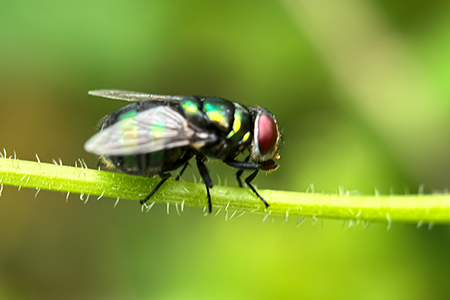
Last week, the USDA announced that the New World Screwworm (NWS) had crossed the U.S. border into Texas. Immediate measures were implemented to prevent further spread and farmers went on the lookout for signs of infection in their animals. Since then, NWS has also been detected in a dog in New Mexico, and it feels like the import/export rules for animals – including pets – between the United States and Mexico have been changing by the hour (Perhaps not hourly, but it’s important to be aware that there is a certain fluidity to the rules right now, especially if you travel with your pets).
NWS is a well known, lethal threat to livestock and wildlife, and the efforts to eradicate it from North through Central America have been widely documented. If you follow NAIA, you’ve probably read more about this parasitic fly than you ever cared to. We have been concerned about the reemergence of NWS in the US for literally decades. The massive economic damage caused by NWS infestations, as well as the horrifically painful – often fatal – damage caused by NWS wounds make awareness and intelligent, coordinated action urgently important. Additionally, the fact that actively infected pet animals can be vectors is a reminder of the importance of restricting the interstate and international transport of unvetted animals and fly-by-night shelter transport operations in particular (Florida has banned rescues from Texas and New Mexico from importing animals into the state, while Oregon has regulated the import of warm-blooded animals from areas with active screwworm infestations). This is part of why we have been so passionate about the the oversight, enforcement, and funding of animal importation generally, and the passage of the Healthy Dog Importation Act specifically.
On that note, please take a moment out of your day to write a sentence or two to your senators, urging them to pass the Senate version of the Farm Bill, which includes the Healthy Dog Importation Act.
What can you do to keep your pet safe? Well, first of all, don’t give yourself an ulcer worrying about it. NWS is a serious issue, but preventable in pets. So do what you are already doing, though with a little extra vigilance on monitoring wounds and body openings, as that is where the female NWS flies lay their eggs. This is especially important if you live in or near an infestation area – but it’s a good practice, regardless. Additionally, flea and tick preventatives containing isoxazolines are effective against NWS larvae – again, something you are probably already doing. If you do suspect a screwworm infestation in your pet, contact an accredited veterinarian to have it evaluated, and report the case.
Source: Flesh-eating screwworm found in New Mexico dog as outbreak appears to spread beyond Texas
Click here to see what is happening legislatively