

Inside This Issue:
- City's Plan to Spay Pregnant Animals Amended After Pushback from Rescue Groups
- Government-Ordered Ostrich Cull Creates Unusual Bedfellows; Also: Carriage Rides!
- Summary of New Report: More Cows, Fewer Emissions
City's Plan to Spay Pregnant Animals Amended After Pushback from Rescue Groups
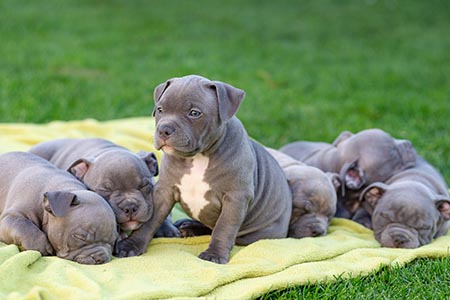
Rescue or just a breeding operation – sans breeder?
Austin's city council was considering a resolution to change its rule that forces the city’s shelter to give visibly pregnant animals to willing rescues before performing a spay surgery on that animal. According to the council member who proposed the resolution, it was necessary because in recent years, 690 animals have been born in the municipal shelter due to pregnant animals not being picked up in a timely manner, and an additional 1,400 puppies and kittens had been added to the community after pregnant animals were transferred to only one group, Austin Pets Alive! (APA!). After receiving a surprising amount of angry pushback from private rescue groups, the change did not go forward as written, and the mayor offered a compromise: the city must notify APA! (by far the most vocal opponents of the rule change) if it has a lactating animal and then provide APA! with a three-hour window in which to pick up the animal. The compromise managed to alleviate much of the pushback, and the changes went through with a majority vote.
During the runup to this compromise, APA! received a ton of pushback themselves, especially from the rescue community. First, for apparently making a statement that “pet overpopulation is a myth” – a heresy that even the most fanatical no-kill advocates rarely say without including a multiple paragraph explanation (we've covered the math and distribution, and understand that "pet overpopulation" is more accurately described as a retention/regional issue – please forgive us this trespass). Since the APA! video was deleted, we can’t see for ourselves what exactly was said, if it was taken out of context, or if the reaction was perhaps a smidge overblown. It was a big enough deal that APA!’s CEO felt compelled to issue a “clarifying apology,” however.
The second, and more important issue APA! received pushback on was the idea of a no-kill shelter getting “dibs” on pregnant dogs and cats and their highly adoptable babies, rather than allowing the municipal shelter to perform the spay surgeries it is supposed to do for animals and the public good. Even if APA! was truly driven by a singular desire to save all animal lives, including the ones that haven't been born yet, the whole deal with picking up pregnant animals is simply bad policy and it's not a good look – especially in a community with crowded shelters and a problem with stray animals. Finally, APA!’s implication that spaying pregnant animals is “inhumane” hit a lot of nerves. Spay surgeries are, indeed, serious medical procedures that sometimes have complications (and, admittedly, a slightly increased chance of complications if done while the female is pregnant). But the idea that it is somehow inhumane, or odder still, that pregnant animals are being “targeted” (what does this even mean?) just sounds totally off the wall. But then again, we're talking about a city that truly believes it's a good and humane idea for shelter animals to be having litters, so it is hard to say who, exactly, is off the wall here.
Source: Austin City Council makes decision on rules around spaying pregnant animals
Government-Ordered Ostrich Cull Creates Unusual Bedfellows; Also: Carriage Rides!
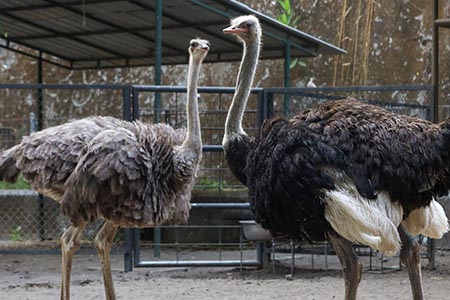
Two (somewhat) short news items:
Near the town of Edgewood, British Columbia, Universal Ostrich Farms became the epicenter of a political and social firestorm after Canadian authorities ordered the culling of more than 400 ostriches. The government’s move came in response to a suspected outbreak of avian flu, which has now claimed several dozen birds. Health officials, following international disease control protocols, insisted that a mass cull was the only way to prevent the virus from spreading to other livestock and people. But the order met with immediate resistance, not just from the farm’s owners and animal activists, but also from Americans, who framed the cull as an example of government overreach. As tensions mounted, the scene at Universal Ostrich Farms grew chaotic. Protesters descended on the property, often broadcasting their anger online, with some questioning whether the birds were truly sick.
Earlier this week, the farm’s co-owner and her daughter were arrested after they tried to prevent inspectors from entering the farm. This only fueled the protest movement, which was no longer targeting a generalized “government,” but inspectors, police, and even local businesses that were providing “the enemy” with services. Heckling turned into harassment, intimidation tactics became full-on accusations of criminal behavior, and eventually protesters started sending death threats. Along the way, someone thought it would be a great idea to set the bales of hay on fire that were blocking the ostrich pens (luckily, the flames were put out immediately).
Currently, the Canadian supreme court has granted the remaining ostriches a stay of execution. Meanwhile, beleaguered authorities cite the need to protect public health – and let’s not forget the potential economic, food stability, and even human health threats posed by the avian flu amidst this drama – while critics pointed to the apparent recovery of most of the flock and argue that a cull is both unnecessary and poorly justified. This dispute, which has brought together North American animal rights activists and prominent figures from the Trump administration is clearly about more than just ostriches – it reflects a general growing mistrust of authority figures – especially when it comes to issues surrounding public health.
Chincoteague, Virginia, known for its wild ponies and the famous pony swim, is embracing a bit of old-fashioned charm by introducing horse-drawn carriage rides for tourists. While some bigger cities, under duress from animal rights activists and various economic interests have moved away from carriage rides, Chincoteague is heading in the opposite direction, offering a new old way for visitors and locals to enjoy the island’s scenic routes. This move stands out as a positive change in how working animals are perceived, bucking the trend of bans seen elsewhere.
The Chincoteague Pony Centre, which already cares for the island’s beloved ponies and provides pony rides and lessons, will operate the new carriage service. Instead of using the wild Chincoteague ponies, drivers will rely on Haflingers, a breed known for its nice demeanor and suitability for draft work. This highlights the importance of purpose-bred animals that can thrive in specific roles, while admiring the wild spirit of their cousins on the island. The carriage rides will run during the quieter fall, holiday, and spring seasons, giving visitors a slow, scenic way to see the island.
Sources: Canada: order to cull over 400 ostriches sparks protests and death threats, Town of Chincoteague Approves Horse-Drawn Carriage Rides
Summary of New Report: More Cows, Fewer Emissions
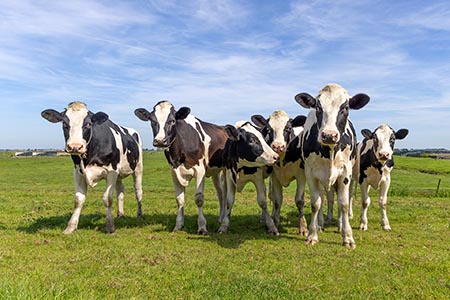
Bovine Brigade.
Now for some shameless animal agriculture cheerleading you most likely won't read elsewhere...
U.S. farmers and ranchers are producing more food with fewer resources, playing a role in meeting both environmental and nutritional needs. Climate Week NYC begins this week and the Animal Agriculture Alliance has shared an updated Sustainability Impact Report, highlighting American agricultural advancements in raising animals, lowering environmental footprint, and, ultimately, providing people with nutritious food.
Farmers and ranchers put the focus on animal welfare through initiatives like the FARM Animal Care Program and Beef Quality Assurance. By working closely with veterinarians and nutritionists, following expert guidelines, and using biosecurity practices, their animals are kept content and healthy. As far as environmental issues go, U.S. animal agriculture supports all 17 United Nations Sustainable Development Goals. Over the years, the beef sector has cut emissions per pound of meat while increasing output, and pork producers have made notable reductions in carbon emissions. Egg farmers use less feed to feed more people, and efforts to recycle and upcycle feed ingredients reduce waste. Animal products are a key part of a balanced diet, providing nutrients essential for heart, brain, and bone health. Safety measures, like antibiotic checks and USDA inspections, ensure food quality and consistency. Industry-wide sustainability goals are also in place to drive further improvements. At the foundation of all this progress are the farmers and ranchers themselves. Without their work, none of this food would exist. For more details, or to access the full report, visit the Animal Agriculture Alliance website.
Source: U.S. Farmers and Ranchers Raise More Food With Fewer Resources
Also in the News...
★ Friendly competition between first responders helps 21 Putnam shelter animals find homes (Shelter & Rescue Solutions; Pawsitive Outcomes)
★ Fish that live in the ocean's 'twilight zone' are the missing links between sharks and their prey (An Ocean of Possibilities; Suprise Biomass)
★ Blazing Saddles thrives in Fairhaven with menagerie of 150 animals. Get a closer look (Sanctuary, Pony Rides, and Petting Zoo)
★ MPD: Teen shoots at officers, 34 animals seized from his Milwaukee home (From Mental Health Check to a Dangerous Animal Rescue)
★ Is Frank the Armadillo the Next NBA Draft Pick? (The Lighter Side; Cingulata Celebrities; Care & Enrichment)
★ Police: Woman who abandoned Bucks Co. farm, leaving animals to die, captured in Belize (Abandonment; Over 100 Charges of Cruelty )
★ 7 'lost' animals making a comeback in Britain. Could lynx and wolves join them? (Conservation & Rewilding Lists; A Missing Lynx no Longer?)
Sign up for the 2025 NAIA Conference Today!
Click here to see what is happening legislatively