
Inside This Issue:
- Another Bad Anti-Breeding Bill in New Jersey
- Zoos and Aquariums Play Vital Role in Rehabilitating Trafficked Animals
- State Fairs Bridging the Rural-Urban Divide
- News Bites: Zoo Faux Pas, Silent Whales, Myrmecophagy, and More!
Another Bad Anti-Breeding Bill in New Jersey
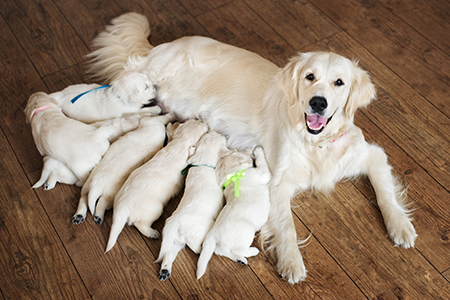
The type of dogs that won't be bred after a breeding ban. Note the twinkling eyes and beautiful, healthy smile.
The city of Asbury Park in New Jersey has just passed what might be the pitch-perfect example of a bad anti-breeder bill. Ordinance 2025-19, framed as a way of preventing animal abuse, prohibits the deliberate breeding and sale of dogs and cats in the city. Its swift passage, celebrated by the local SPCA, was seen as necessary due to dog fighting and pet abandonment issues that the city has experienced.
Dog fighting is a horrible crime, and often tied to other criminal enterprises. Abandoning pets is a serious problem that needs to be addressed, as well. But if you truly believe banning the breeding and sale of dogs and cats is going to put a dent on either of these social ills… well, we’ve got a bridge to sell you.
People involved in dog fighting aren’t going to suddenly blush and change their ways after realizing they are breaking the law. Nor will people who abandon dogs or who engage in shady online or parking lot sales of pets. What this ordinance will do is shut down folks who work within the law, providing the public with healthy, behaviorally sound dogs and cats – probably the type of people a sane society would actually want breeding pets – but never mind that.
It would be hilarious if this wasn’t so bad, but this ordinance not only prevents responsible people from breeding dogs and cats, it actually provides exemptions for “oops” litters and sales (described them as “rehoming fees”)! We are really scratching our heads trying to figure out how discouraging people who already follow the rules – the ones who should be breeding pets – while giving a free pass to those who are actively making bad choices will solve the city's problems.
The answer, of course, is that it won’t. And honestly, maybe solving problems isn’t the point. For city councils, passing a sweeping ordinance like this feels a lot like actually doing something. And that's worth a lot. If the public and media doesn’t pause to think too deeply on it, this looks like a win, and let’s be real: this is far easier than addressing the complex, humane, socioeconomic, and enforcement issues of dog fighting and pet abandonment. And for anti-breeding activists, it is a huge win – a feather in the cap, and another city to point to in their never ending, incremental quest of banning animal husbandry altogether: “73 no wait, I mean, 74 cities have passed breeding bans. Do you want to be seen as humane and forward thinking or left behind?”
Source: One Bad Animal Ordinance
Zoos and Aquariums Play Vital Role in Rehabilitating Trafficked Animals
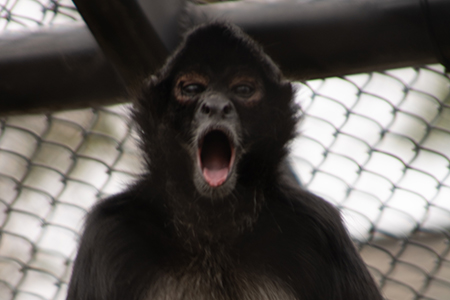
This spider monkey is DONE being trafficked.
Every day, Los Angeles sees a steady flow of exotic animals smuggled in by planes, trains, and automobiles. Lizards, birds, turtles, and even primates are illegally imported, with most vanishing into the black market, ending up in private collections, or used for online attention. If these animals are confiscated, their journey is far from over. LA is a hub for wildlife trafficking since smuggling routes run through its ports, airports, and across the border.
While an estimated 90%(!) of these animals slip through the fingers of authorities, the animals that are confiscated need immediate, often specialized care. This is where trained professionals at zoos and aquariums are needed. With years of hands-on experience, these experts understand the unique dietary and environmental needs of each species. Their knowledge is especially vital for animals suffering from capture myopathy, a condition caused by the stress of mishandling and transport that can be fatal if not managed properly. Zoo staff are equipped to mitigate this stress, providing medical attention, proper nutrition, and carefully controlled environments that help animals recover. Through months of quarantine and attentive care, many of these animals are able to regain their health and flourish in human care - and become vital wildlife ambassadors for their wild cousins.
Wildlife trafficking is a massive and complex interconnected criminal industry, rivaling (and sometimes connected to) drug and weapons smuggling. Social media now fuels demand, too, with rare species like infant primates and Amazonian parrots becoming trendy pets. In response, law enforcement agencies and zoos have started working more closely together, creating a pathway to ensure rescued animals are placed in facilities that can meet their needs. Animal care professionals have never been more in demand than they are now. They provide lifesaving support for trafficked wildlife, and in some cases even play a crucial role in the survival of species that are nearly extinct in the wild. By offering expert care, they give these animals a second chance both as individuals and as part of broader conservation efforts..
Source: LA Zoo offers rehab and protection for trafficked animals
State Fairs Bridging the Rural-Urban Divide
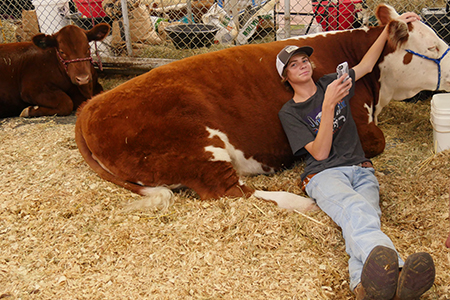
Hard at work at the state fair.
Blake Krohn, just 10 years old, was hard at work at the New Jersey State Fair this past weekend handling chores most kids his age never see. He spent the day moving hay, cleaning up after cows, and pitching in wherever needed - a daily reality for a kid growing up on a family farm. For Blake and for other 4-H and FFA kids, the fair is about more than rides, funnel cakes, and visiting the animals: it’s the culmination of months and sometimes years of dedication. Throughout the year, 4-H and FFA youth raise animals like cows, goats, and alpacas, caring for them before and after school, keeping up with feeding, grooming, health checks, and training for showmanship. It’s not just about ribbons or friendly competition; it’s a full-time commitment that teaches responsibility, patience, and a genuine respect for the land and animals. When fair season rolls around, these kids showcase their hard work, often running on little sleep and a lot of adrenaline.
The fair itself has deep roots in Sussex County, stretching back to 1919. Over the decades, it’s grown from a simple horse show to a sprawling nine-day event, still anchored by its agricultural traditions. Carnival rides and food vendors may attract the crowds, but it’s the livestock shows, market auctions, and demonstrations that keep the spirit of the original fair alive. Local farm families return year after year, bringing their animals and their stories, turning the fair into a living classroom for visitors. Many of these 4-H and FFA members will go on to become leaders in agriculture, carrying forward the skills and values they learned in the barns and arenas. Their early experiences connecting with animals and the land shape their understanding of food production and stewardship. In turn, they help bridge the gap between rural communities and the people who enjoy the fruits of their labor, making the fair not just a summer highlight, but a vital thread in the fabric of local life.
Source: Animals, food and family highlight day at New Jersey State Fair in Sussex County
News Bites: Zoo Faux Pas, Silent Whales, Myrmecophagy, and More!
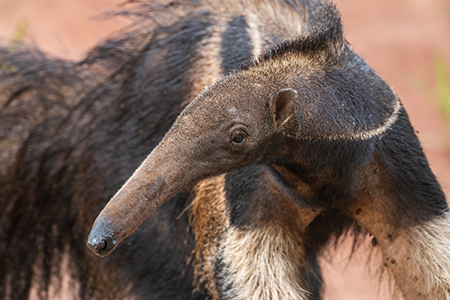
Look carefully and behold your future.
Denmark’s Aalborg Zoo nearly caused an international incident last week with a Facebook post asking readers to donate their smaller pets as food for the zoo’s predators. The zoo’s reassurance that the animals would be “gently euthanized” did not help, nor did the fact that they specifically requested chickens, rabbits, and guinea pigs – animals that are regularly eaten by people around the world – rather than, say, dogs or cats. The viral condemnation was swift and ferocious.
It is clear that a good portion of the Aalborg Zoo’s request has been lost in translation and culture, exacerbating this public relations fiasco (they’ve since turned commenting off), but one thing stands out clear as day: it’s a really bad idea to ask anyone to “donate their pet” to feed another animal. Livestock? That might work. But words have meanings, and “pet,” as used here, is just never going to end well. In the meanwhile, the zoo should be counting its lucky stars that rage posters rarely read beyond the lede, as the link embedded in their original post tells the reader how they can donate their horses!
In July, a 57-year-old Mississippi shelter worker was killed by the very animals he was caring for. Clifford Irving Phillips, Jr., who “felt more comfortable around his pets than around people,” was viciously mauled by two dogs that had been seized as part of an abuse and dog fighting investigation. He died at the scene of the attack. Police officers had to shoot and kill one of the dogs just to allow responders to reach Phillips’ body, while the other dog was euthanized after the mauling. Phillips was known as a big animal lover – especially dogs – and had worked at the shelter for two years.
In more grim news, massive marine heatwaves have led to toxic algae blooms, krill and anchovy die-offs, and possibly in response, blue whales have gone largely silent.
Speaking of oceans, the last decade has not been kind to sea stars (formerly starfish). Since 2013, these charming marine invertebrates have been suffering from a horrific, wasting plague that has killed more than 5 billion of their kind. The plague has hit many species of sea stars, but some have suffered a lot more than others. For example, the once-abundant sunflower sea star lost an estimated 90% of its population in just the first five years of the plague. Ugh!
While this plague is obviously terrible for sea stars, it directly affects other plants and animals as well. That’s how ecosystems work. In this case, sea stars love eating sea urchins – a craving that is essential for maintaining healthy underwater kelp forests. Without sufficient predation, the sea urchin population explodes, turning kelp forests – spaces that are relied upon by fish, marine mammals, birds, and commercial fishermen – into barren wastelands full of starving urchins.
Things have been looking pretty dire. But on Monday, a paper was published identifying a potential cause of the disease: a pathogenic bacterium called Vibrio pectenicida. Obviously, this is a far cry from curing the plague, but having a better idea of its cause offers hope and a clearer path forward in research and recovery efforts.
Just when we’ve finally started to accept the inevitability of carcinization, it turns out we might all evolve into anteaters instead! When will the madness end? An anteater future (myrmecophagy, if you want a neat new word to play with) is fun to panic about, but actually pretty unlikely – convergent evolution is very real, but no matter how many insects we start eating, mammals have only evolved into anteaters 12 times since Dinosaurs went extinct. Just think about how many times mammals have not evolved into anteaters since then!
In other head-spinning changes, it used to be accepted that humans created dogs by taming wolves. Then, the general belief shifted toward the idea that, well aaaaaccktually, wolves tamed themselves as an evolutionary strategy (see: self-domestication, Stephen Budiansky’s Covenant of the Wild). But this New Scientist piece (subscription required) contains compelling arguments that the pendulum is swinging back toward humans as more active participants in the taming of wolves. Duck season? Rabbit season? Duck season? It’s a fascinating read, and really makes you wonder what the accepted wisdom will be in 2055!
Also in the News...
★ Sometimes, the most dangerous animals at the Safari Park aren't from there (Cats in the Shadows)
★ Colorado animal shelter sees increase in animals, donations following Northglenn animal rescue (Shelter & Rescue; Massive Intake; Public Support)
★ Abandoned pets posing increasing risk to local communities, other animals (Pet Care & Public Safety)
★ One of the loudest animals on Earth spotted off the coast of California. See it (Blue Whale Sightings)
★ CT is known for biodiversity. Here are some elusive and unusual animals you may have never seen. (Native Northeastern Lists; Come for the Fisher Cats, Stay for the Bats)
Sign up for the 2025 NAIA Conference at the early bird rate!
Click here to see what is happening legislatively