
Inside This Issue:
- Rescue Dogs of the Celebs... Maybe Not So Rescued?
- Pennsylvania “Beagle Bill” Signed Into Law
- Ridglan Farms Case Can Move Forward
- Protect Pets With Standards and Accountability
Rescue Dogs of the Celebs... Maybe not so Rescued?

Was this Vizsla pup purchased from a breeder?
People want the type of dogs they want. Whether it’s a Labrador, Frenchie, Chihuahua, Boxer, Doodle-of-the-Month, Heinz 57 mix, or a Yorkie, certain types of dogs have a way of touching certain people’s hearts. And what the heart wants... well, you know how that goes. If you’ve always had a thing for Golden Retrievers, there’s a good chance you’ll eventually find yourself with a Golden Retriever. We don’t make the rules; it’s just science.
Another thing people want is to boost their social credit score: to do things that will be perceived as righteous and humane – and with a little luck, highly Instagrammable. And what could be more righteous and humane than adopting a dog in need? Adoption has been the cool kid option since at least the 1990s, and we’ve been scolded to “Adopt, don’t shop!’ for nearly as long. If you’re getting a dog, and you’re in the public eye, adoption is by far your safest bet.
Now, you may have already inferred from the first two paragraphs that many prospective pet owners face a conflict of interest when choosing their next dog: “How do I get a dog of the breed, age, sex, and type that I want, while also maintaining my ‘good guy’ credibility?” Fundraising activist groups used to urge you not to believe your lying eyes, claiming that as many as 25-30% of dogs in shelters were purebreds. However, our research debunked those rosy figures (the actual number is closer to 5% or fewer), proving that adopting a dog of a specific breed, age, sex, or type is a fair bit more difficult than advertised.
So you can imagine our complete and utter lack of shock to learn that a popular Los Angeles rescue organization is facing a lawsuit for purchasing dogs from breeders and rebranding them as “rescues” while creating a false sense of urgency and/or sob stories for potential buyers? Yes, "puppy laundering." Puppy laundering is a real thing and a nasty accusation. And in addition to the deception are allegations of activities NAIA has long warned about and railed against: unethical and unsafe “rescue” transport leading to the adoption of sick and even dying puppies. Really bad stuff all around.
The rescue group has (or perhaps had) several ringing celebrity endorsements, and who can blame them – purebred-looking, Instagrammable pups and the halo of adoption? Who says you can't have it all? We’ll definitely continue following this story and will provide more on this story as it comes.
Pennsylvania “Beagle Bill” Signed Into Law

King: photogenic, and one of NAIA's sassier Homes for Animal Heroes Beagles
Late last week, Pennsylvania Governor Josh Shapiro signed Senate Bill 381, the “Beagle Bill” into law. Just before the signing, PennLive published an Op-Ed by Pennsylvania Society for Biomedical Research Executive Director Tom Leach* explaining why the law matters to every Pennsylvanian who depends on continued medical progress.
The new law reflects months of work between lawmakers and Pennsylvania’s research community. It codifies existing research institution policies that ensure retired research dogs and cats are adopted to permanent new homes, provides additional transparency about laboratory animal research by requiring certain facilities to link to the United States Department of Agriculture’s public search tool, which provides access to facility inspection records and research reports, and joins a number of states that prohibit the sale of cosmetics tested on animals.
The Op-Ed also addresses the growing role of non-animal methods, including organoids, organs-on-chips, and computational models. Research institutions support the continued investment in these approaches and the principles of replacing animals when valid alternatives exist (truly valid, not wishful thinking), reducing the number of animals used, and refining procedures to improve animal welfare.
With that reality in mind, the Op-Ed contrasted Pennsylvania’s approach with what is currently being pursued in Congress. The PUPPS Act (H.R. 10523), from Rep. Nancy Mace, would outlaw breeding dogs for research. The COMPACT Act (H.R. 10522) would deny federal health dollars to studies using purpose-bred dogs and cats. Neither bill considers whether a validated replacement exists before shutting down the research that depends on animals. The Op-Ed argues that good public policy can advance animal welfare and medical progress at the same time, while still providing the best outcomes possible for human and animal patients and the country’s ability to develop new treatments.
* We're proud to say we also work with Mr. Leach quite a lot! Tom was instrumental in helping to pass New Jersey's Homes for Animal Heroes legislation, helping to ensure permanent, loving homes for retired research animals.
Source: Why your medications depend on a law awaiting Shapiro’s signature
Ridglan Farms Case Can Move Forward
Lawsuit!
On October 28, a Dane County, Wisconsin judge found probable cause following a preliminary hearing in the case against 51 people charged in connection with the March 15 “open rescue” at Ridglan Farms. The ruling allows the case to proceed to trial. The charges include felony burglary, theft, and property damage. Activists affiliated with Direct Action Everywhere (DxE) carried 22 Beagles out of the facility, which previously bred dogs for research. At least one dog was passed through a window, and one defendant is accused of using a drone to scout the property beforehand. Defense attorneys questioned whether prosecutors had enough evidence to connect all 51 defendants to the charges.
The hearing followed the October 19 court appearance of 47 activists. Four defendants face additional charges, including DxE co-founder Wayne Hsiung. The defendants are presumed innocent, and the probable cause ruling does not establish guilt. But, their defense strategy is the real story. They label themselves as rescuers rather than thieves, and claim to have unsuccessfully tried countless other legal avenues first, forcing them into a position where they had no choice but to steal the beagles, landing them in this high-profile case. “Open rescue” is designed so that the prosecution itself becomes the animal rights activists’ stage to voice their protest: the more highly publicized the trial the greater the success for their movement.
Taken to even the most basic conclusions, this has the potential to interfere with pretty much every kind of animal-related endeavor: animal agriculture, dog shows, fishing and hunting, research, zoos, and beyond. Every kennel or barn is one sympathetic video away from being the next “rescue,” which is an understandably thrilling prospect for the animal rights zealots.
Animal care and concerns over abuse and mistreatment are things we all take very seriously, but these issues must be handled by inspectors, veterinarians, law enforcement, and the legal system. Animal rights activists whose goal is, quite literally, the destruction of various animal industries and hobbies should never be allowed to appoint themselves judge and jury. For these people, evidence is irrelevant, and the verdict was long ago decided. We hope that justice prevails and the court rightfully determines if this action is unlawful based on the evidence, not what the activist community believes is justified.
Source: Court finds probable cause in Ridglan Farms beagle case
Protect Pets With Standards and Accountability
Bernese Mountain Dog
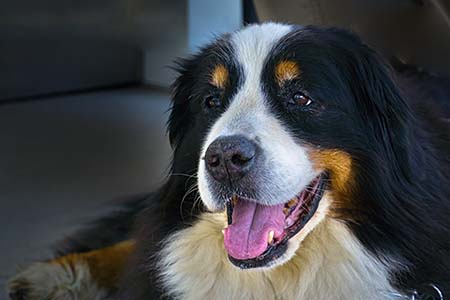
In August, during a Los Angeles heat wave, a California family left their two-year-old Bernese mountain dog, Dunkin, with a trainer. Dunkin later died of apparent heat exhaustion while in a trainer’s care. The trainer denies wrongdoing, and Los Angeles Animal Services is investigating, according to a KQED story. On October 26, Congressman James Gallagher introduced H.R. 10910, “Dunkin’s Law,” to give owners a federal cause of action when their pets are harmed. The goal is understandable. But protecting animals requires clear, carefully drawn legislation, and this proposal leaves important questions unanswered.
The bill defines “commercial pet facility” broadly. It includes boarding, daycare, training, grooming, overnight care, and “any other commercial service” in which a companion animal is held or cared for in exchange for compensation. There is no facility size consideration or veterinary exemption, which suggests the law could apply to home-based businesses, pet sitters, show handlers, and veterinary practices. Any living creature can become ill, suffer injuries, or even die – even if they receive appropriate care. For example, an elderly dog’s natural death while being boarded does not, by itself, establish that the boarding facility did something wrong.
Moreover, the proposed damages include veterinary expenses and replacement value, as well as the owner’s emotional distress and the animal’s pain and suffering. This has the potential to open the door to legal personhood issues that NAIA has long raised concerns over. To that end, the bill inserts the phrase “sentient being” into the Animal Welfare Act’s definition of “animal” and defines the term to include domesticated mammals commonly kept as pets, including dogs, cats, and rabbits. This does not expressly grant animals legal personhood or eliminate their status as property, but it is certainly a step in the wrong direction. Strong animal welfare protections should reinforce responsible ownership and hold people accountable for mistreatment, not chip away at the legal status of animals as property. Animal rights activists have spent decades trying to change this legal status, as it is what gives pet owners, farmers, and hobbyists the legal right to make decisions about their animals’ care, breeding, training, medical treatment, etc., rather than activists.
Negligent businesses and individuals should be subject to legal liability. That can be done through state licensing and inspections, but protecting pets does not require redefining them and does not need a new federal cause of action to be pursued.
Source: "Dunkin's Law"
Also in the News...
★ "It brought tears to my eyes." Drone footage shows elusive animal with a tooth as long as a car swimming in the Arctic (Camera Conservation I; Classic Narwhal)
★ One of the Hardest Animals to Catch on Camera Filmed in Rare Amazon Rainforest Footage (Camera Conservation II; Ephemeral Armadillos)
★ What does sleeping with a pet dog do to humans? Researchers at U of T found out (Sleep Disruptions; Expected & Surprising Findings)
★ Here’s How Veterinary Technicians Help Care For More Than 1,700 Animals at the Smithsonian (Animal Care & Husbandry; Zoo Life)
★ NJ town bans roosters after residents cry fowl over noise (Urban Chickens and Why Roosters Aren't Neighborly)
★ New law makes it illegal to feed deer, other wild animals in Kent (Know Your Animal Etiquette; Deer Overpopulation)
★ 5 of the weirdest animal behaviours experts can’t fully explain (Stranger and Goofy Lists; It's Probably not Weird to the Whale)