The Power of One
Animal Agriculture

The Red Cow: Bruce Was Born an Orphan
By Lana Kaiser | Published: 09/10/2012Bruce was born an orphan - a tough way to start a life, especially if you are a calf born 21 days early by caesarian section and expected to live in a barn in March in Michigan…

The Red Cow: The Blue Cow
By Lana Kaiser | Published: 07/9/2012From the time she was a calf, Blue stood out in the pasture…

We Live in a Marginal Zone
By Lana Kaiser | Published: 05/4/2012Mother Nature is in control, and most times she has the last laugh.
Animal Legislation
House Agriculture Appropriations Bill Provides Critical Funding for Dog Importation Oversight
By | Published: 04/28/2026Test
Call to Action: Your Voice Is Needed on the Farm Bill
By | Published: 04/24/2026The Farm Bill is a massive bill that authorizes policy and funding for agriculture for the next 5 years.

NAIA Praises Farm Bill Inclusion of New Framework to Protect Animal and Public Health
By | Published: 02/13/2026NAIA lauds the inclusion of the Healthy Dog Importation Act in the Farm Bill text released by House Agriculture Committee Chairman GT Thompson.
Animal Research
The Use of Dogs in Animal-Based Research: The Rest of the Story
By | Published: 10/28/2021We’ve spent several days gathering information we could share with our readers to enable them to understand a little more about a very complex subject.

New Jersey’s Research Community Welcomes Passage of Homes for Animal Heroes Act
By Administrator | Published: 01/14/2020New Jersey’s thriving biomedical research community applauds the Legislature for passing Assembly Bill 3274/Senate Bill 2826, the “Homes for Animal Heroes Act.”

“Homes for Animal Heroes Act” Becomes Washington State Law
By Patti Strand | Published: 05/8/2019Washington State Senate Bill 5212, known and cited as the “Homes for Animal Heroes Act,” was signed into law by Governor Jay Inslee on April 29, 2019, and becomes effective July 28, 2019.
Animal Rights Extremism
The Use of Dogs in Animal-Based Research: The Rest of the Story
By | Published: 10/28/2021We’ve spent several days gathering information we could share with our readers to enable them to understand a little more about a very complex subject.

And so, it begins… the radical and long-awaited anti-breed, anti-breeder campaign has started!
By | Published: 10/24/2024On Tuesday, the Ojai California city council passed an ordinance making it the first city in the nation to ban so-called “unethical breeding.”
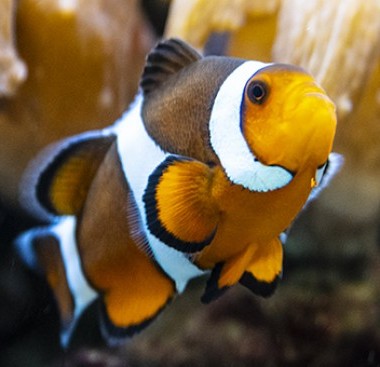
Under the guise of “Saving Nemo,” Radical Activists Push Legislation to Eliminate the Aquarium Trade and Hobby.
By | Published: 01/10/2024Radical activists opposed to keeping aquariums are pushing legislation that would end importing and fishing for aquarium fish. Dubbed the Saving NEMO Act, HR 6447 purports to prevent imports or collection of marine aquarium organisms…
Animal Rights vs Animal Welfare

Cosmetic Ear Cropping: An Open Letter
By Arnold L. Goldman DVM, MPH, NAIA Board Member | Published: 01/13/2020The College of Veterinarians of British Columbia has a policy entitled “Cosmetic Ear Cropping of Dogs” which admonishes its members to cease ear-cropping surgery. This policy is the result of what some describe as a minority…

Who Do You Think Controls the Debate About Animal Welfare?
By Patti Strand | Published: 11/28/2018Some say that money helps…

What is Animal Welfare and why is it important?
By Patti Strand | Published: 06/10/2014Some people use the terms animal welfare and animal rights interchangeably, suggesting that they represent the same concerns, principles and practices. But the differences between the two are significant and irreconcilable.
Animal Sports
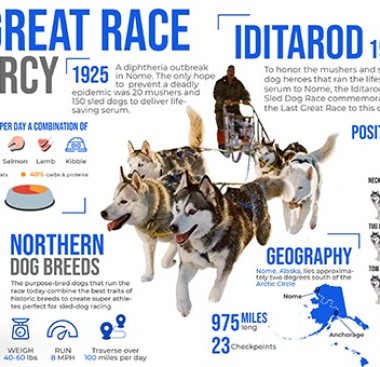
The 2023 Iditarod Is Here!
By | Published: 03/6/2023The 2023 Iditarod launched on Sunday and will continue for the next two weeks…
Animal Welfare

NAIA 2024 Conference: Animal Experts Unite
By | Published: 08/10/2024NAIA’s annual conference is in Texas this year! Mark your calendar for October 19-20, 2024
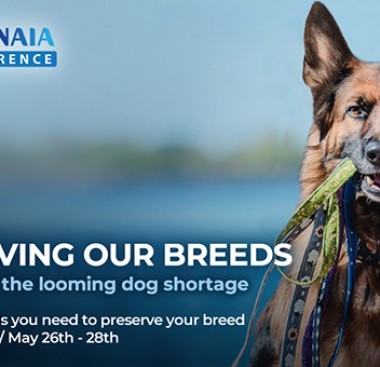
NAIA 2023 Conference: Preparing For The Looming Dog Shortage
By | Published: 04/6/2023In 2023, the NAIA annual conference returns to Portland, Oregon and YOU are invited!

NAIA Leads Appeal for Healthy Dog Import Resources for USDA
By | Published: 04/12/2022Today, the National Animal Interest Alliance (NAIA) was joined by nearly a dozen national animal health, veterinary, livestock, and pet stakeholder organizations urging Congress to protect pets, livestock, and U.S. public health…
Animals and Society
NAIA 2023 Conference: Preparing For The Looming Dog Shortage
By | Published: 04/6/2023In 2023, the NAIA annual conference returns to Portland, Oregon and YOU are invited!
The 2023 Iditarod Is Here!
By | Published: 03/6/2023The 2023 Iditarod launched on Sunday and will continue for the next two weeks…
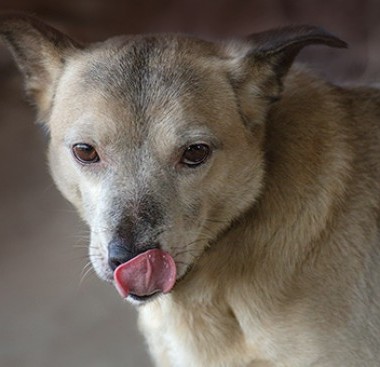
CDC Extends Suspension of Dog Imports from Countries with High Rabies Prevalence
By | Published: 02/2/2023NAIA welcomes actions taken by the CDC to protect the public’s health against the reintroduction of the dog-maintained rabies virus variant into the United States.
Animals in Education & Entertainment

IS RODEO BRONC RIDING CRUEL?
By Emma Carpenter | Published: 01/16/2012A myth is a powerful thing. Every time there is a slow news day or a rodeo returns to town, animal rights groups bring the debate over rodeo bronc riding and cruelty to the front again. The myth that rodeo bronc riding is cruel…

PROFESSIONAL RODEO HORSES ARE BRED TO BUCK
By Cindy Schonholtz | Published: 01/16/2012As with any other industry or sport that utilizes animals, the sport of rodeo must continually educate the public about the care and handling of the livestock used in rodeos. Critics of rodeo often show many areas where they do…

ANIMAL ACTIVISTS TARGET CIRCUS
By Norma Bennett Woolf | Published: 01/15/2012Congressman Sam Farr wants to ban elephants in circuses. Mayor Paul Schell of Seattle, Washington, wants his city to go a bit further and ban all wild animal acts at city facilities, and Redmond, Washington, enacted a circus animal…
Book Reviews

“Your Pandemic Puppy” Helps Families Raise a Happy Pooch in the Age of Covid
By Administrator | Published: 12/20/2020American families from coast to coast have been welcoming new canine companions into their lives at an unprecedented rate, making the most of their unexpected extra time at home…

Book Review: The Hijacking of the Humane Movement
By Norma Bennett Woolf | Published: 02/16/2012“The humane movement has been hijacked, radicalized, and rerouted. Started more than 100 years ago, it was traditionally concerned with the humane treatment of animals. In the last 20 years, however, it has been taken over…

SAVE OUR STRAYS: A COMPREHENSIVE LOOK AT THE DOG AND CAT POPULATION DILEMMAS
By Norma Bennett Woolf | Published: 01/29/2012For the past decade and more, national and local animal organizations have blamed puppy producers for euthanasias in shelters and promoted sterilization as the only way to decrease shelter deaths.
Canine Issues
Advisory: The Healthy Dog Importation Act (HDIA) HR 4239/S. 2597
By | Published: 07/27/2022The National Animal Interest Alliance (NAIA) submitted comments to APHIS encouraging the agency to prioritize dog import oversight as part of its five-year plan.
“Your Pandemic Puppy” Helps Families Raise a Happy Pooch in the Age of Covid
By Administrator | Published: 12/20/2020American families from coast to coast have been welcoming new canine companions into their lives at an unprecedented rate, making the most of their unexpected extra time at home…

USDA Releases Key Report on Canine Imports
By Patti Strand | Published: 08/26/2019The U.S. Department of Agriculture (USDA) has released a key report finding that over 1 million dogs are imported into the U.S. each year. And, of those one million, less than one percent are subject to thorough health screenings…
Farm and Ranch Almanac
IS RODEO BRONC RIDING CRUEL?
By Emma Carpenter | Published: 01/16/2012A myth is a powerful thing. Every time there is a slow news day or a rodeo returns to town, animal rights groups bring the debate over rodeo bronc riding and cruelty to the front again. The myth that rodeo bronc riding is cruel…

Suffering to End Suffering: The Heroic Effort to Eradicate the North American Screwworm
By Dr. John Richard Schrock | Published: 01/16/2012As science teachers, it is important for our students to understand that the biggest benefactors of agricultural and biomedical research with animals—are the animals themselves.

Slaughter Bill is Not in Best Interests of Horses
By Dennis Foster | Published: 01/16/2012The slaughter of horses in the United States, one of the most controversial issues in the equine world, is an emotional issue that makes it very difficult to be pragmatic despite overwhelming evidence supporting its continuation.
Feline Issues
SFSPCA: Mandatory Cat Licensing: Ill-conceived and Ill-advised
By Norma Bennett Woolf | Published: 01/10/2012The report begins with an indictment of the latest fad in animal control laws: The San Francisco SPCA has considered the various claims made for mandatory cat licensing legislation and has found little in the way of evidence - or…

NAIA WEIGHS IN ON FAA PROPOSAL FOR ANIMAL TRAVEL
By Patti Strand | Published: 12/8/2002More than two years ago, Congress passed the FAA Reauthorization Act of 2000 that directed the Federal Aviation Administration to write rules for a reporting system to be used by airlines when animals escaped, were injured, or died…

Is Russia the New Czar of Kitten and Puppy Mills??
By Marva Marrow | Published: 01/8/2001Val, a friend of mine, is a photographer’s representative for a celebrity photographer. She was recently on a photo shoot, and while chatting to the actor who was being photographed, he mentioned that he had an Oriental Shorthair…
From the Offices of NAIA

Summer 2013 Animal Policy Review
By Norma Bennett Woolf | Published: 08/21/2013The Animal Policy Review is a publication of the National Animal Interest Alliance dedicated to the analysis of legislation, regulations, and policies that affect animals and animal owners.
NAIA 2013 Conference: The Conversation Begins with You!
By | Published: 07/26/2013Whether you are a professional or a hobbyist, if your life revolves around animals, the NAIA 2013 conference is a must-attend event!

Raise Funds for NAIA through H&R Block’s Nonprofit Referral Program
By Patti Strand | Published: 01/8/2013Nobody enjoys tax season, but this year, new clients to H&R Block can feel good knowing they supported NAIA!
Guest Editorial
NAIA Conferences

Planning for NAIA’s Annual 2025 Conference – We Want Your Input!
By | Published: 12/17/2024In 2025, we would love for you to attend our annual conference… and before we plan it, we also want your input!
NAIA 2024 Conference: Animal Experts Unite
By | Published: 08/10/2024NAIA’s annual conference is in Texas this year! Mark your calendar for October 19-20, 2024
NAIA 2023 Conference: Preparing For The Looming Dog Shortage
By | Published: 04/6/2023In 2023, the NAIA annual conference returns to Portland, Oregon and YOU are invited!
NAIA Events
Planning for NAIA’s Annual 2025 Conference – We Want Your Input!
By | Published: 12/17/2024In 2025, we would love for you to attend our annual conference… and before we plan it, we also want your input!

Order Your Tickets to the NAIA 2019 Gala Today!
By Patti Strand | Published: 01/2/2019NAIA cordially invites you!
Rescue
Advisory: The Healthy Dog Importation Act (HDIA) HR 4239/S. 2597
By | Published: 07/27/2022The National Animal Interest Alliance (NAIA) submitted comments to APHIS encouraging the agency to prioritize dog import oversight as part of its five-year plan.

Dangerous Dog Adoptions Back in the News
By Patti Strand | Published: 03/11/2020The dangerous—sometimes deadly—practice of shelters adopting known dangerous dogs to the public is in the news again…
USDA Releases Key Report on Canine Imports
By Patti Strand | Published: 08/26/2019The U.S. Department of Agriculture (USDA) has released a key report finding that over 1 million dogs are imported into the U.S. each year. And, of those one million, less than one percent are subject to thorough health screenings…
Research Reports
The Little Girl Who Stumbled
By Robert Speth, PhD | Published: 02/12/2012The animal rights movement’s effort to place the rights of animals above those of humans concerns me. A recent book, Rattling the Cage, by Stephen Wise argues that chimpanzees should be granted legal standing; in other words,…

A LOOK AT LAB ANIMAL MEDICINE
By Elizabeth Galloway | Published: 01/19/2012Many articles in the popular press have attempted to justify animal research. Still more articles have been written in opposition to animal research, but few are by experienced technicians describing how animals are really used…

ANIMAL RESEARCH SAVES LIVES
By Patty Wood | Published: 01/13/2012“I know I’ll walk again,” said Greg Mankle.
Shelter Issues
Dangerous Dog Adoptions Back in the News
By Patti Strand | Published: 03/11/2020The dangerous—sometimes deadly—practice of shelters adopting known dangerous dogs to the public is in the news again…
More regulations needed for animal shelters and rescues
By | Published: 07/23/2017Dog lovers, especially parents hoping to give their children a lesson in compassion, find it nearly impossible to resist the heart-wrenching television ads and graphic photos on social media urging them to save a shelter dog’s…

Dog Days in Sacramento
By Patti Strand | Published: 04/18/2017With AB 485, California would outsource the supply of dogs available to consumers to the least regulated and poorest selection of dogs available.
Uncategorized
HB189 Fixes Ohio’s Dangerous Dog Law
By Patti Strand | Published: 01/9/2012Update April 28, 2005: This bill has been sent to the Agriculture and Natural Resource Committee. Concerned dog owners need to contact their representative and the committee members below now.
THE DAY THE DOG “BLEW UP”
By Richard Simmonds, DVM, MS | Published: 01/7/2012Following graduation from veterinary school, and my “coerced” entry on active duty with the Air Force (there was something in those days called the Draft), my first assignment was at a research laboratory in Fairbanks,…
A Tribute to a Remarkable Man – Captain Arthur J. Haggerty December 3, 1931 - July 3, 2006
By Diane Makkinney | Published: 01/7/2012Our dogs and dog owners everywhere lost a tremendous advocate on July 3, 2006, when Captain Arthur J. Haggerty - also known as “The Captain” or just “Cap” to his friends - passed away from cancer at the age…
Veterinary Issues

Canine Respiratory Illness Unnerves Dog Owners – But Should It?
By | Published: 11/29/2023Any dog owner who has watched TV, read a newspaper, or clicked on social media during the last few weeks is likely to be concerned about a new canine respiratory illness.
CDC Extends Suspension of Dog Imports from Countries with High Rabies Prevalence
By | Published: 02/2/2023NAIA welcomes actions taken by the CDC to protect the public’s health against the reintroduction of the dog-maintained rabies virus variant into the United States.

More Dog Importation in the News…
By Patti Strand | Published: 07/7/2020NAIA broke the story in 2000 and has been raising awareness of the dangers posed by the mass-importation of unvetted dogs into the U.S. for two decades…
Wildlife Journal
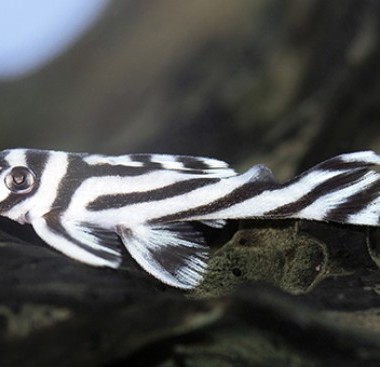
Brazil Shortsightedly Proposes Zebra Pleco for CITES Appendix I Listing
By | Published: 11/14/2022NAIA will be present at CITES CoP 2022 as an official NGO Observer. There, NAIA will advocate for the sustainable use of wildlife resource

Controversy Over Preserving the Diamondback Terrapin
By Administrator | Published: 12/21/2020On December 16, 2020, the Florida Fish and Wildlife Conservation Commission (FWC) held a commissioners meeting to discuss proposals, including pet ownership of certain reptiles…

Book Review: Playing God in Yellowstone by Alston Chase
By Norma Bennett Woolf | Published: 01/16/2012A Harvest Book from Harcourt Brace & Company, New York;
393 pages, including a epilogue written three years after original publication
$14, trade paper
Wildlife Watch
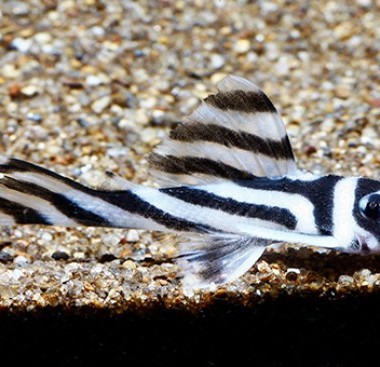
Proposed CITES I Listing for Zebra Plecos Avoided
By | Published: 01/12/2023While Brazil’s attempts to restrict trade in Zebra Plecos using the CITES appendices will be counterproductive for the conservation of the species, there are constructive regulatory changes that could be beneficial for wild…
Brazil Shortsightedly Proposes Zebra Pleco for CITES Appendix I Listing
By | Published: 11/14/2022NAIA will be present at CITES CoP 2022 as an official NGO Observer. There, NAIA will advocate for the sustainable use of wildlife resource
Stay Connected with The NAIA: Sign Up for The Weekly Roundup
Join our FREE newsletter and community of animal advocates and receive The NAIA Weekly Roundup straight to your inbox. Stay in the loop with the latest news, events, and ways you can make a difference in the lives of animals. Sign up now to stay informed to create positive change!
Sign Up

PO Box 66579
Portland, Oregon 97290
Phone (503) 227-8450
Email: naia@naiaonline.org
Learn more