NAIA policy statement: Pet ownership
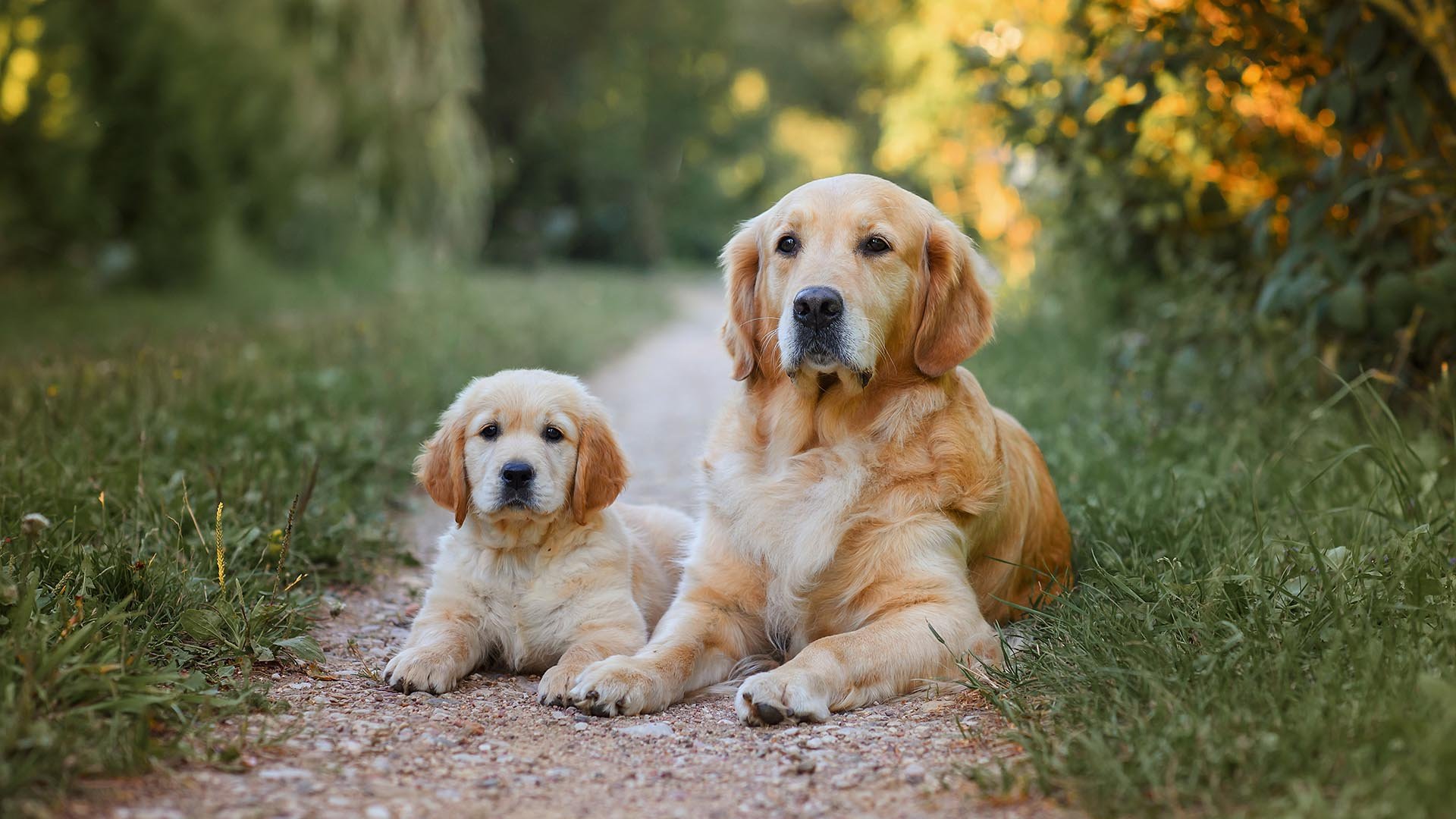
NAIA supports responsible pet ownership. Maintaining close contact with dogs,
cats, birds, fish, and other pets provides psychological and medical benefits
to people at a time in human history when few people would otherwise have the
opportunity to interact with animals. Pets also provide a connection to man's
broader association with animals by opening the door to understanding the depth
and breadth of that relationship.
Pet ownership requires effort and commitment to the animal and to the community.
Responsible pet owners learn about each pet's specific behavioral needs, budget
their time and resources for proper pet care and training, and make sure their
pets are not neighborhood nuisances. NAIA supports the development of clubs
and associations devoted to increasing knowledge about individual species, providing
opportunities for public education about pets and pet care through shows and
other events, and helping communities deal with matters ranging from animal
control to the availability of pet care services to owners on low or limited
income.
NAIA supports reasonable laws that provide for the well-being of animals and
nuisance laws that protect neighbors from excessive noise and odor without interfering
with the choices made by responsible pet owners. NAIA opposes arbitrary limit
laws, breed-specific bans or restrictions, mandatory sterilization laws, breeding
permits, exorbitant license fees, the transformation of pet owners" to "pet
guardians" in state and municipal codes, and blanket prohibitions on "exotic"
pets that restrict the rights of responsible owners while doing little to enhance
the well-being of the community or the animals covered.
Cats
Domestic cats have been associated with man for centuries. Historically, cats
provided pest control in human settlements, on farms and in shops, mills, factories,
and homes, protecting precious grain and other foodstuff from invasion by rodents.
Today, people own cats for companionship more than utility, and the little felines
vie with dogs for top spot as the most popular pet in the US. Cats grace apartments
where dogs are forbidden and are often the preferred pet of hard-working singles
and couples and elderly owners. To protect and preserve the human-cat bond,
NAIA supports responsible cat ownership, the breeding and showing of pedigreed
cats, and voluntary sterilization and identification of pets.
Responsible breeding of pedigreed cats provides the joy of companionship with
a pet produced with care and concern for optimum health and personality. In
addition to providing pedigreed pets and developing and maintaining their gene
pools, responsible breeders, exhibitors, and clubs spearhead cat rescue and
education efforts and fund advances in feline medicine. Cat shows provide information
on cat breeds and care and a venue to support rescue efforts. Many cat clubs
also donate portions of their show proceeds to cat health research and to projects
that benefit random-bred, homeless cats. Contributions to local shelters and
cat rescue groups fund feral cat management programs to trap, test, vaccinate,
and alter the cats and return them to the environment. NAIA opposes licensing
and mass round-ups of cats and recognizes that a certain reservoir of feral
cats aids in rodent reduction and prevention of rodent-borne diseases.
Suggested reading:
Birds
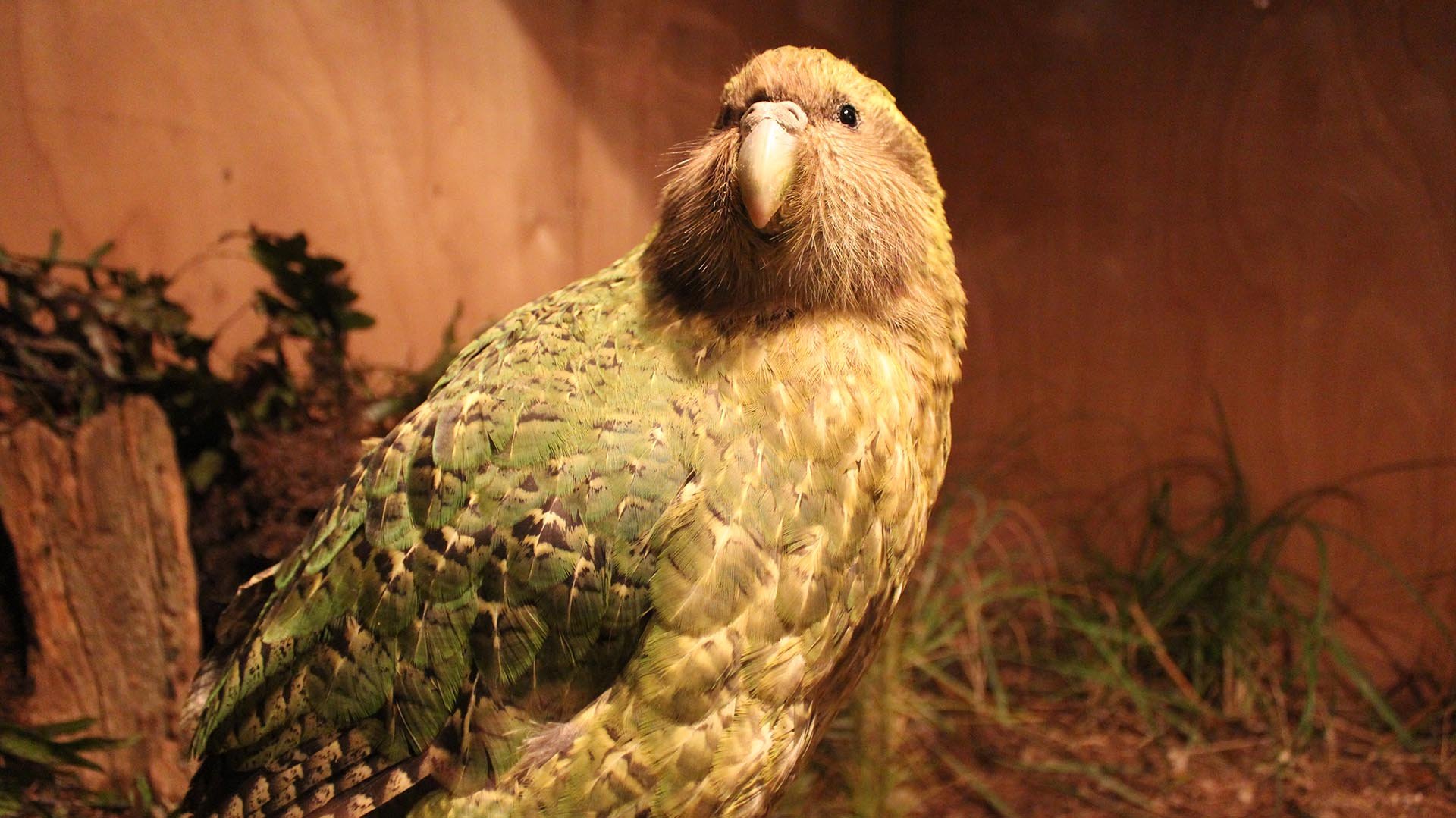
Parrots in various colors and sizes are gaining popularity as pets. Once taken
from the wild, parrots are now protected in their native habitats, and the vast
majority of birds raised and kept as pets are captive-bred. NAIA supports the
responsible breeding and ownership of pet birds along with efforts to prevent
and prosecute poaching of species that are rare or endangered in their homelands.
NAIA recognizes that bird clubs serve enthusiasts, birds, and the public by
providing information and expertise about bird health, care and responsible
breeding practices. We encourage professional avicultural associations that
offer opportunities for breeders to participate in voluntary inspection programs
for aviaries and to join projects designed to save tropical birds in their native
habitat.
Suggested reading:
Exotic animals
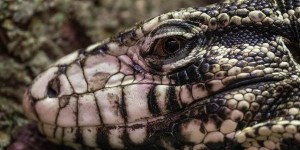
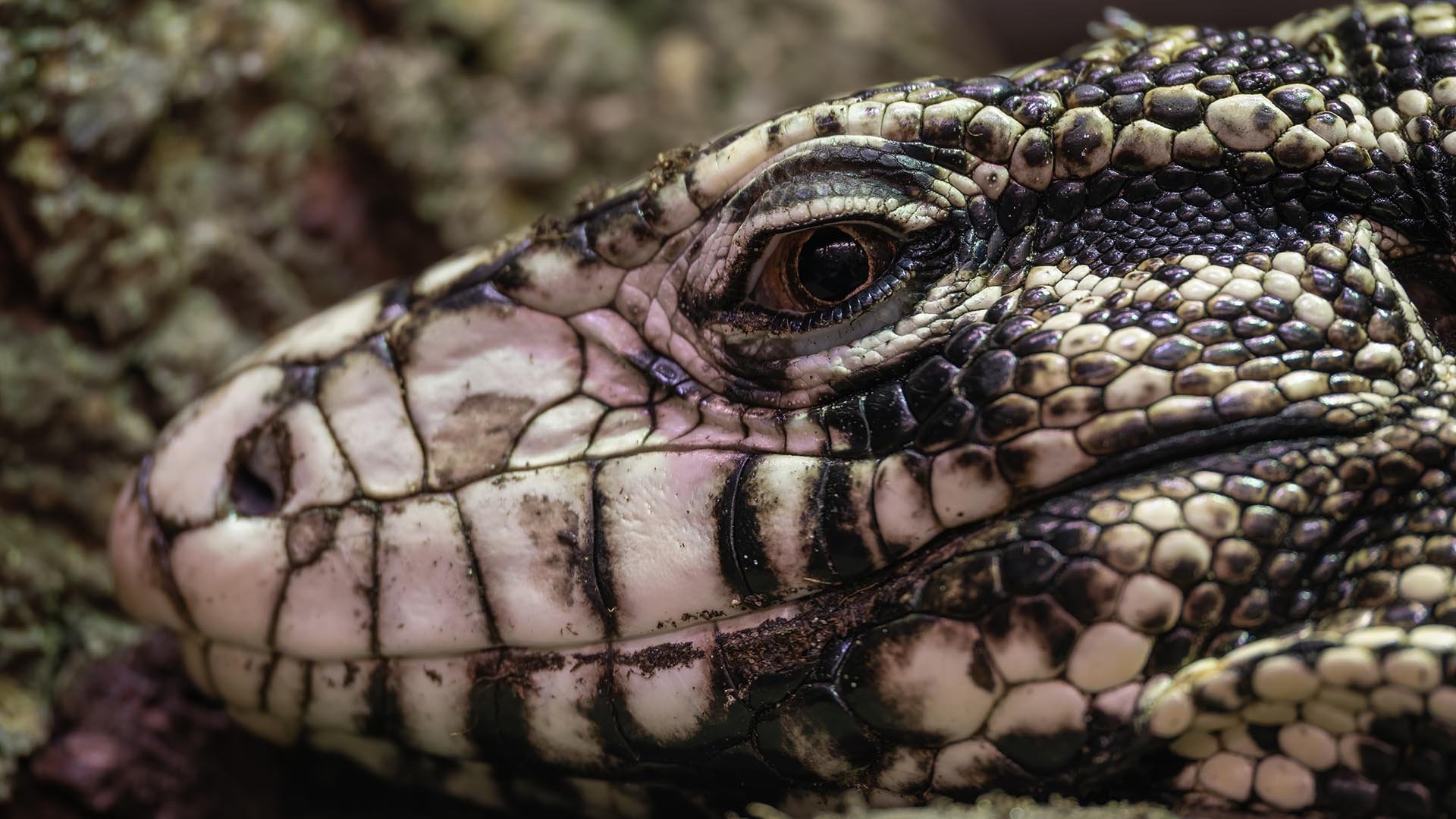
The human-animal bond is not limited to traditional pets such as dogs, cats, birds, and fish that can be kept with a minimum of fuss. Many animal owners also appreciate the adaptations and beauty of exotic pets such as reptiles, amphibians, or mammals of non-native species or individuals of native species that have been raised in captivity.
Exotic pet species may exist as wild populations in native habitats, as captive-bred populations sold as pets or livestock, and as captive-bred populations in controlled breeding programs to protect genetic diversity in a declining species. While zoos and preserves are in the forefront of species conservation, space and funds for these animals is limited. Therefore, conservation may depend on private citizens who keep these animals at their own expense and contribute to the body of knowledge about species diet, behavior, reproduction, and general health.
NAIA supports the responsible ownership of exotics, including the private breeding, sale, and ownership of these animals under regulations that protect their welfare and provide for public safety. NAIA believes that those who continue to educate themselves about the needs of their animals and keep them in a manner that is appropriate to the animal and society should be allowed to keep them.
In addition, NAIA supports partnerships between private owners and institutions working to save endangered species; permit systems for species that pose a public safety threat; and regulatory mechanisms based on need. NAIA encourages exotic pet owners, businesses, and professional organizations that work to raise the level of care and handling of these animals and protect local ecosystems by keeping exotic animals safely confined.
Because few children have the opportunity to work with native or exotic animal species and to observe their behavior and adaptations, NAIA also supports the keeping of non-venomous reptiles and amphibians and other appropriate exotic animals in school classes for study under the guidance of teachers experienced in their handling and care.
NAIA notes that a social stigma exists about ownership of many exotic species, especially those that are not cute and cuddly. Negative media, misinformation, sensational stories, and fear of particular species perpetuate these stereotypes. These factors often drive campaigns to initiate or expand regulations and laws that unreasonably restrict or even ban responsible ownership. NAIA opposes limits that are based on fear, propaganda, and half-truths. Although the keepers and breeders of exotic species comprise a small percentage of pet owners, NAIA supports their right to responsibly own and care for their chosen pets.
The Feline Conservation Federation
Fish
As with other animals kept as pets, NAIA backs the keeping of fresh and saltwater
fish in home, school, and office aquariums. Colorful fish swimming in a tank
provide a respite from mental stress and an opportunity to appreciate an ecological
community dependent upon human care.
NAIA supports professional associations of fish fanciers who work hard to expand
their knowledge about these fascinating creatures, to share information with
other fanciers, and to spread knowledge about keeping fish to casual aquarium
owners.
Suggested reading:
Horses
Like the dog, the horse has crossed a line between work animal and pet for
many owners and riders. While horses still work in rodeo, racing, and on the
range or are trained to pull carriages and wagons as transportation or for exhibition,
many of these animals are bred and used solely for sport or recreation. Horses
provide a wonderful opportunity for children and adults to become acquainted
with large animals; learn to care for, train, and ride these wonderful animals;
and find joy in competitions that prove their training and riding skills - all
activities that can be pursued for a lifetime of pleasure.
NAIA supports the responsible breeding of horses for sport, work, and recreation
and the appropriate use of these animals in these endeavors. NAIA recognizes
that responsible horse breeders, owners, and sportsmen are deeply devoted to
proper care for their animals, education through a variety of clubs and events,
and promotion of horse well-being whether the animals are kept for recreation,
sport, or work.
NAIA backs organized horse competitions that showcase the performance skills
of riders, drivers, and their horses. Although animal rights activists have
portrayed horseback field trials for hunting dogs and horseback riding trails
on public land as detrimental to the environment, NAIA joins those who dispute
these broad claims, encourages case-by-case evaluation of impact, firmly backs
field trials and the inclusion of bridle trails on public lands where possible,
urges responsible riders to be good stewards of the land by avoiding off-limits
areas and remaining on the trails, and applauds the volunteer work done by horse
clubs to help build and maintain these trails.
Noting that the sport of rodeo and the collection of
pregnant mare urine on specialized farms have been
erroneously targeted as inherently cruel, NAIA also values the trade associations
that have contributed to the body of knowledge about equine health and husbandry
and demonstrated to the public that their animals enjoy the highest standards
of care.
Suggested reading:
|